

.webp)




Table of Contents
Introduction
Have you ever wondered why some brands seem to grow effortlessly while others fade away, even when they appear to be doing everything “right”?
I believe it’s because growth built only on visibility doesn’t last. In today’s hyper-connected digital world, where attention is fleeting and trust is a rare currency, businesses are realizing that integrity is what truly sustains growth.
For years, marketing was about getting noticed. Whoever shouted the loudest, posted the most, or optimized the best often won. But the world has changed. Attention is easy to buy; trust isn’t. And that’s where sustainable marketing begins — not with metrics, but with meaning.
When I look at how marketing has evolved, I see a clear movement — from persuasion to purpose. There was a time when “growth hacking” ruled the digital playbook. Speed mattered more than sincerity. But audiences grew smarter, expectations evolved, and the age of quick wins started to lose its charm.
Example: That’s exactly where HubSpot’s inbound marketing approach changed the narrative. Instead of pushing harder, they pulled smarter. They built an ecosystem based on education, empathy, and empowerment — a shift from “growth hacking” to “ethical scaling.” HubSpot proved that when you prioritize helping people over selling to them, growth naturally follows. In fact, HubSpot’s 2025 State of Marketing Report highlights how agile marketing teams are embracing AI and data-driven strategies to engage Millennial and Gen Z audiences, showing that ethical, adaptable approaches drive real, measurable impact.
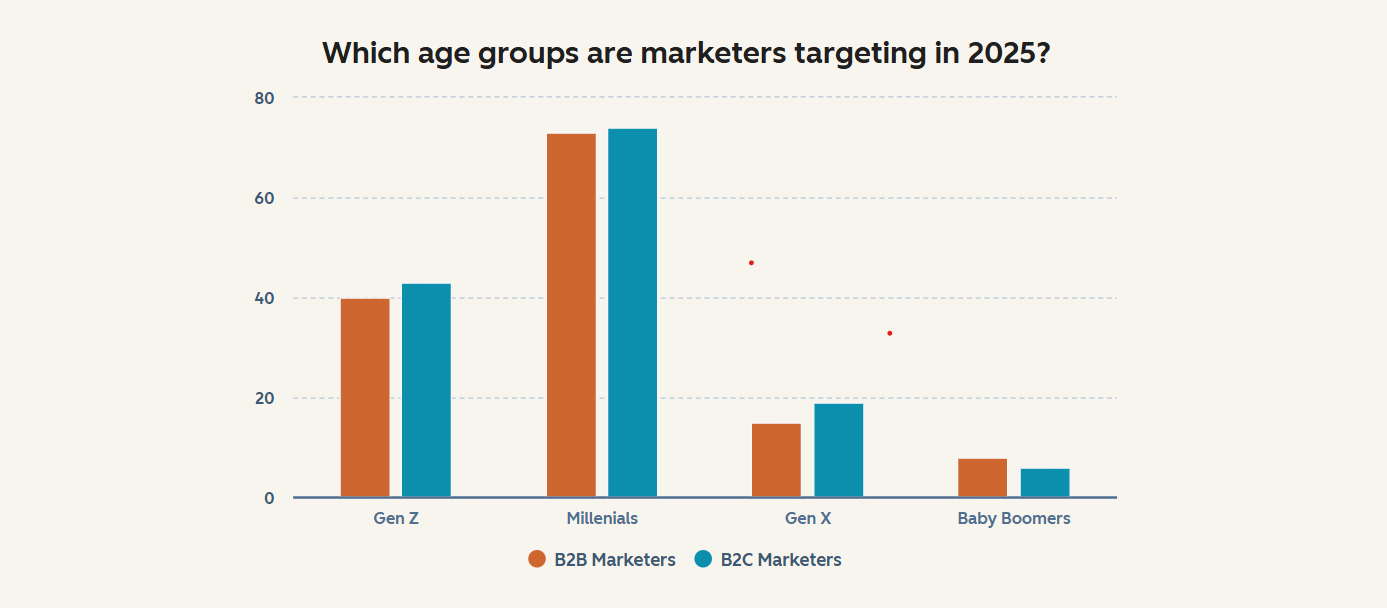
A Screenshot from HubSpot’s “2025 State of Marketing Report.”
And that’s the heart of sustainable marketing — authenticity over aesthetics. We’ve reached a point where beautifully designed ads mean nothing if the story behind them feels hollow. People crave truth. They’re drawn to brands that speak like humans, not like billboards.
Example: Take Salesforce’s “Trust and Customer Success” philosophy. They didn’t build their empire by selling features; they built it by building faith. Every campaign reinforces the same promise — that the customer’s success defines their own. It’s a philosophy, not a marketing tactic, and that’s what makes it sustainable.
The reality is, sustainability is no longer a choice — it’s a strategic necessity. We live in an age where data breaches make headlines, ad fatigue is real, and consumers can spot insincerity a mile away. Brands that lead with transparency and responsibility aren’t just doing the right thing; they’re future-proofing themselves.
Example: Look at Apple’s privacy-first advertising. While the industry was busy collecting more data, Apple chose to collect more trust. By giving users control and being unapologetically vocal about privacy, they turned ethical restraint into a competitive advantage — showing that responsibility can, in fact, be a growth driver.
The irony is that the very technology that once fueled intrusive marketing is now powering responsible innovation. AI, analytics, and automation, when used with integrity, allow brands to understand audiences deeply without crossing ethical lines. They let marketers measure impact without manipulation and personalize without invading.
In essence, sustainable marketing is about doing what lasts. It’s not about slowing down growth — it’s about growing with purpose. It’s about building a brand that people believe in, not just buy from. Because in a world of constant digital noise, sustainability isn’t found in what you say; it’s found in what you stand for.
WHY Sustainable Marketing Matters Today
From my experience, sustainable marketing isn’t just a trend—it’s a business imperative. I’ve seen firsthand how consumers across generations are paying closer attention to how brands behave. Studies show that over 70% of consumers globally prefer brands that are transparent, responsible, and honest about their practices. Today’s users expect more than polished messaging—they want proof of values in action. Sustainable marketing reinforces this expectation by grounding every campaign in genuine intent and transparent behavior. It is also deeply connected to ethical, inclusive leadership in the age of AI, which empowers teams to make responsible decisions and uphold integrity across all digital interactions.
When businesses embrace sustainable marketing, they’re not just appealing to individuals—they’re creating long-term value, reducing churn, and turning customers into advocates. Brands that prioritize ethics and transparency stand out in competitive markets, proving that purpose and profit can go hand in hand.
Here’s why companies are focusing on sustainable marketing:
Consumer Demand for Transparency and Ethics
Today’s customers expect more than just quality products—they want honesty, accountability, and clarity in every interaction. People now evaluate brands not only for what they sell but also for what they stand for. They look for companies that communicate openly, take responsibility for their actions, and demonstrate consistency between their messaging and their behavior. When brands share their intentions clearly and show the reasoning behind their decisions, they create deeper emotional resonance. In an environment where skepticism is high and trust is fragile, genuine transparency becomes a powerful competitive advantage that shapes long-term relationships.
Example: Microsoft’s Responsible AI campaigns are a great illustration—they openly discuss bias prevention in AI tools, showing both accountability and commitment to ethical innovation. This approach not only educates audiences but also reinforces confidence in the brand.
Long-Term Brand Value Through Responsible Practices
Sustainable marketing isn’t just good ethics; it’s good business. Brands that integrate responsibility into every touchpoint—content, communication, customer experience—build a stronger foundation of trust over time. These brands are viewed as stable, reliable, and future-driven, which naturally reduces churn and increases customer lifetime value. Responsible practices also attract like-minded partners and stakeholders who value integrity, creating an ecosystem where ethical growth compounds year after year. When responsibility becomes part of a company’s DNA, it elevates both its reputation and its business resilience.
Example: Salesforce consistently emphasizes ethical leadership and social responsibility in its marketing and communications. This dedication has strengthened client trust globally, fostered employee pride, and created long-lasting brand loyalty that directly impacts revenue growth.
Impact on Customer Loyalty and Advocacy
Marketing that aligns with real values doesn’t just capture attention—it creates ambassadors. When customers see their own beliefs reflected in a brand’s actions, they form an emotional connection that goes far beyond transactional loyalty. These customers are more likely to recommend the brand, participate in its community, and defend it in times of criticism. Value-aligned brands spark authentic word-of-mouth, ignite user-led storytelling, and build vibrant communities that sustain long-term advocacy. This kind of loyalty is not bought—it is earned through consistent, responsible behavior.
Example: Patagonia’s environmental campaigns inspire active advocacy and community engagement, while tech companies like Notion leverage educational, community-first campaigns that build strong loyalty and create a sense of belonging among users.
<h3>Actionable Insights</h3> Sustainable marketing works best when it’s practical and measurable. It’s not just about talking the talk—it’s about embedding responsibility into every campaign and customer touchpoint. By focusing on transparency, ethical messaging, and community engagement, businesses can create campaigns that resonate, drive loyalty, and deliver long-term results.
HOW to Integrate Sustainability into Digital Marketing Strategies
Creating a sustainable marketing strategy requires teams to align around a shared purpose—balancing creativity with ethics and long-term value. When employees understand the “why” behind responsible marketing, they contribute more intentionally to meaningful storytelling and conscious brand building. This shift becomes more effective within future-ready digital agency cultures, where collaboration, empathy, and adaptability support the adoption of sustainable practices across every campaign.
Here’s how businesses can approach sustainable digital marketing:
Eco-Friendly Digital Campaigns and Platforms
Reducing digital clutter means designing campaigns that prioritize quality, relevance, and intention over sheer volume. Instead of pushing content across every available channel, sustainable marketing focuses on crafting purposeful messages that deliver real value. By optimizing digital assets, minimizing unnecessary automation, and choosing energy-efficient platforms, brands can reduce their digital footprint while improving performance. This approach not only conserves resources but also enhances user experience, leading to faster interactions, cleaner journeys, and more meaningful engagement.
Example: Google’s Core Web Vitals optimization improves web performance—reducing server load while delivering faster, cleaner, and more efficient user journeys.
Leveraging Social Media for Ethical Storytelling
Social media offers brands an opportunity to connect with audiences through stories that reflect genuine intentions and responsible practices. Ethical storytelling means communicating with honesty, highlighting real impact, and showcasing the human side of a brand. Instead of relying on exaggerated claims or trend-driven noise, sustainable marketers use these platforms to educate, inspire, and build communities around shared values. This builds credibility, fosters deeper engagement, and establishes the brand as a trusted thought leader in its space.
Example: IBM uses LinkedIn and X to highlight ethical AI practices and transparent innovation, reinforcing credibility and thought leadership.
Sustainable SEO and Content Marketing Tactics (GEO)
Sustainable SEO centers on creating evergreen, high-quality content that continuously serves audiences and builds authority over time. It avoids manipulation, keyword stuffing, or short-lived tactics, and instead focuses on authenticity, expertise, and usefulness. By producing educational resources, optimizing for accessibility, and structuring content for long-term discoverability, brands nurture lasting trust and attract organic traffic that compounds over time. This makes SEO both efficient and ethically aligned with user needs.
Example: Ahrefs and Moz consistently produce educational resources that empower audiences globally while establishing long-term authority.
<h3>Actionable Insights</h3>The key to sustainable digital marketing is embedding responsibility into every strategy. Focus on creating campaigns that are efficient, ethical, and value-driven. By choosing the right platforms, optimizing performance, and prioritizing meaningful content, businesses can engage audiences, build lasting trust, and drive measurable results—all while minimizing digital and environmental impact.
WHAT Digital Tools Enable Sustainable Marketing
For me, sustainable marketing isn’t just about what we say—it’s about how we act and the tools we use to make a real difference. I’ve seen firsthand how leveraging the right technology can help us run campaigns that are not only efficient and impactful but also responsible. Using digital tools thoughtfully allows us to make ethical decisions, optimize performance, and measure results in ways that benefit both our brand and the planet.
AI and Analytics for Ethical Marketing Decisions
AI-powered analytics give marketers the ability to understand their audiences at a deeper, more meaningful level—without crossing ethical boundaries. Instead of relying on intrusive tracking or hyper-targeting, sustainable marketing emphasizes privacy-first intelligence, where insights come from anonymized, aggregated, and responsibly sourced data. This approach enables brands to personalize experiences, reduce irrelevant content, and optimize campaigns with intention. The result is marketing that feels helpful, not invasive—allowing businesses to engage audiences while upholding trust and transparency.
Example: Adobe’s Sensei AI uses anonymized data to personalize user experiences while adhering to ethical standards—balancing advanced targeting with respect for privacy.
Eco-Conscious Tech Platforms and Innovations
Sustainable marketing also extends to the technology stack behind every campaign. Choosing eco-conscious platforms means reducing server loads, optimizing energy use, and minimizing digital waste. High-performance, efficient infrastructures allow brands to deliver fast, seamless user experiences without compromising their environmental responsibilities. By adopting technologies that prioritize ethical data handling and operational efficiency, companies can scale responsibly while reinforcing their commitment to sustainable digital ecosystems.
Example: Cloudflare’s CDN ensures faster, energy-efficient content delivery, while HubSpot’s CRM enforces ethical data handling, helping marketers maintain performance without compromising on sustainability principles.
Measurement and Reporting Tools for Sustainability Goals
To make sustainable marketing more than a philosophy, brands must measure its impact with precision. Modern analytics tools enable marketers to look beyond vanity metrics and focus on indicators that reflect true long-term value—such as sentiment, engagement quality, retention, and customer trust. By tracking how audiences feel, interact, and evolve, companies gain clarity on whether their practices align with sustainability goals. Transparent reporting and responsible measurement frameworks ensure that marketing efforts drive meaningful impact rather than superficial wins.
Example: Google Analytics 4 and Sprout Social enable marketers to monitor meaningful interactions, customer loyalty, and sentiment—providing actionable insights that guide more responsible and impactful campaigns.
<h3>Actionable Insights</h3> To make marketing truly sustainable, businesses must embed responsibility into every decision. Leveraging AI ethically, choosing technology platforms that prioritize efficiency and data integrity, and focusing on meaningful performance metrics allow brands to create campaigns that are both impactful and responsible. By optimizing processes, reducing digital waste, and measuring outcomes beyond surface-level metrics, companies can engage audiences effectively, build long-term trust, and minimize environmental and digital footprints.
Industries That Must Focus on Sustainable Marketing
Sustainable marketing isn’t limited to a single sector—it’s becoming essential across industries that impact people, society, and the environment. By integrating responsible practices, businesses can build trust, reduce waste, and create long-term value. Here’s how different industries can approach sustainable marketing:
Healthcare: Prioritizing Patient Well-being and Transparency
In the healthcare sector, sustainable marketing begins with trust. Patients today expect clarity—not promotions. This means providing accurate, empathetic, and accessible information that genuinely helps them make informed decisions. Ethical healthcare marketing avoids fear-based messaging and prioritizes patient education, privacy, and compliance. When healthcare organizations communicate with honesty and clinical integrity, they build long-term credibility and strengthen the patient–provider relationship.
Example: Mayo Clinic creates patient education content that informs without sensationalizing, building authority and credibility in a sustainable way.
eCommerce: Sustainable Supply Chains and Packaging
For eCommerce brands, sustainability is no longer a nice-to-have—it’s a competitive advantage. Conscious consumers want to understand where products come from, how they’re made, and how responsibly they’re shipped. Sustainable marketing in this space means emphasizing transparent sourcing, eco-friendly packaging, ethical labor practices, and reduced carbon footprints. By openly communicating these efforts, brands empower customers to make mindful choices, driving loyalty through honesty and responsibility.
Example: Shopify supports merchants in disclosing product sourcing and sustainable practices, empowering transparency throughout the ecosystem.
Manufacturing: Reducing Carbon Footprint and Ethical Sourcing
Manufacturing companies have a unique opportunity to lead in sustainability by showing real proof of impact. Through IoT, automation, and data-driven monitoring, brands can track everything from energy usage to material sourcing. Sustainable marketing in manufacturing involves sharing this data openly, demonstrating measurable efforts to reduce emissions, improve efficiency, and maintain ethical operations. This transparency not only boosts B2B trust but also positions manufacturers as forward-thinking, responsible industry leaders.
Example: Siemens MindSphere uses IoT to ensure process transparency, showing how data-driven honesty can enhance brand trust in industrial sectors.
Banking & Finance: Ethical Investments and Responsible Lending
In finance, trust is the foundation of every customer relationship—and sustainability strengthens it further. Financial institutions practicing sustainable marketing highlight ethical investment products, responsible lending policies, and transparent fee structures. By clearly communicating how money is managed, invested, and protected, brands build confidence among socially conscious consumers. Digital tools then help track impact, showcasing visible contributions to ethical finance and climate-positive initiatives.
Example: Stripe Climate and Revolut use digital platforms to highlight financial transparency and sustainability initiatives, demonstrating responsible finance models.
Education: Promoting Equity and Lifelong Learning
The education sector thrives on accessibility and fairness—two pillars of sustainable marketing. EdTech brands that prioritize inclusive design, equitable learning opportunities, and long-term skill development stand out in an increasingly competitive space. Sustainable marketing here means positioning education not as a product, but as an empowerment tool. By promoting accessibility and community learning, EdTech companies create lasting social impact and build trust with learners around the world.
Example: Coursera provides inclusive upskilling opportunities, ensuring learners globally have access to responsible, sustainable education ecosystems.
<h3>Actionable Insights</h3> Focusing on sustainable marketing is about embedding responsibility into every strategy, regardless of the industry. Whether it’s prioritizing patient trust in healthcare, enabling supply chain transparency in eCommerce, reducing environmental impact in manufacturing, promoting ethical finance, or creating inclusive learning ecosystems, businesses can use digital tools to make meaningful, measurable impact. By aligning campaigns with purpose and ethical practices, companies can strengthen brand credibility, engage audiences responsibly, and contribute positively to society and the environment.
Key Principles of Sustainable Marketing in the Digital Age
Sustainable marketing in the digital age isn’t just about eco-friendly campaigns—it’s about creating ethical, inclusive, and efficient strategies that deliver long-term value. By focusing on authenticity, efficiency, and equity, businesses can build trust, reduce waste, and engage audiences meaningfully.
Authenticity and Honesty in Digital Messaging
Authenticity sits at the heart of sustainable marketing because audiences today value truth more than polish. In a digital world saturated with curated perfection, brands that communicate transparently—sharing real experiences, real people, and real values—stand out. Sustainable messaging avoids exaggeration, trends used for the sake of virality, and superficial storytelling. Instead, it prioritizes honesty, consistency, and vulnerability. When brands show who they truly are and what they genuinely stand for, they build trust that lasts far beyond any campaign cycle.
Example: Dove’s “Real Beauty” campaign highlights real people rather than models, promoting body positivity and authenticity in messaging while building credibility with audiences.
Reducing Digital Waste
Sustainable marketing also requires marketers to be mindful of the digital footprint left behind by campaigns. Reducing digital waste means focusing on thoughtful, targeted communication rather than flooding audiences with excessive content. It involves optimizing website performance, avoiding redundant retargeting, minimizing spam-like automation, and prioritizing quality over quantity. By delivering fewer but more meaningful interactions, brands create a cleaner, more efficient digital environment—one that respects user attention and reduces unnecessary energy consumption.
Example: Spotify’s personalized playlists, like “Discover Weekly,” deliver relevant content to users without sending excessive generic emails or notifications, optimizing engagement efficiently.
Social Equity and Inclusive Marketing
True sustainability extends beyond environmental responsibility—it includes social responsibility. Inclusive marketing ensures that campaigns represent diverse audiences with fairness, dignity, and accuracy. This means showcasing different backgrounds, abilities, cultures, and identities, while also designing digital experiences that are accessible to all. Brands that prioritize equity demonstrate that they value every individual, not just specific market segments. Inclusive messaging fosters belonging, deepens emotional connection, and strengthens brand credibility in a multicultural world.
Example: Nike’s “You Can’t Stop Us” campaign highlighted athletes of diverse backgrounds and abilities, celebrating inclusion while reinforcing the brand’s commitment to social equity.
<h3>Actionable Insights</h3> To practice sustainable marketing effectively, businesses must embed responsibility into every campaign. Focus on authentic messaging that reflects your true values, optimize campaigns to reduce unnecessary digital waste, and prioritize inclusivity and accessibility in content and design. By combining honesty, efficiency, and equity, companies can engage audiences meaningfully, build long-term trust, and create marketing strategies that are both impactful and ethically responsible in the digital age.
Building Ethical Brand Narratives and Customer Relationships
Sustainable marketing goes beyond eco-friendly campaigns—it’s about creating authentic connections with audiences and building trust over time. By focusing on honesty, meaningful storytelling, and ethical engagement, brands can foster loyalty while demonstrating responsibility and purpose.
Crafting Authentic Content and Avoiding Greenwashing
Authenticity is the foundation of any sustainable brand narrative. Today’s audiences easily detect exaggeration, vague claims, or “green” statements that have no proof behind them. To avoid greenwashing, brands must back every claim with evidence—transparent data, real initiatives, and consistent actions. Authentic content isn’t just about sounding ethical; it’s about being ethical. When brands openly share both progress and challenges, they build credibility that marketing alone cannot manufacture.
Example: Buffer publishes real revenue numbers and detailed transparency reports, demonstrating authenticity and accountability instead of relying on slogans or greenwashed messaging.
Engaging Audiences with Meaningful Stories
Purpose-driven storytelling is far more powerful than traditional product-focused messaging. Sustainable marketing invites audiences into a brand’s mission—why it exists, what it stands for, and how it creates positive impact. These stories create emotional resonance, inspire participation, and shape deeper brand affinity. When brands tell human-centered stories rooted in genuine purpose, they speak to the values of modern consumers who want to support companies driving meaningful change.
Example: Canva’s creator empowerment campaigns spotlight real creators and their personal journeys, building engagement through meaningful, purpose-led storytelling.
Building Trust and Loyalty Through Ethical Engagement
Trust in the digital age is earned through consistent, ethical, and human engagement. Sustainable brands prioritize transparency, empathy, and respect—ensuring customers feel heard, valued, and understood. Ethical engagement means no manipulative tactics, no hidden agendas, and no intrusive experiences. When brands show up with clarity and compassion across every touchpoint, they foster long-term loyalty and build relationships rooted in respect rather than transactions.
Example: Zendesk’s “Relate” initiatives emphasize honest communication and empathetic support, reinforcing trust and long-term customer loyalty.
<h3>Actionable Insights</h3>To build ethical brand narratives, focus on authenticity, transparency, and purpose in every interaction. Share verifiable evidence of your values, craft stories that highlight why your brand exists, and engage consistently with empathy and honesty. By embedding these principles into your marketing, you can foster deeper customer relationships, strengthen brand credibility, and ensure your campaigns are both meaningful and responsible in the digital age.
Measuring the Impact of Sustainable Marketing
Sustainable marketing isn’t just about executing responsible campaigns—it’s about understanding their real-world impact. By tracking meaningful metrics, leveraging the right tools, and reporting transparently, brands can measure success beyond immediate sales while reinforcing trust and long-term value.
Key Metrics Beyond Sales—Brand Reputation and Engagement
In sustainable marketing, true impact extends far beyond revenue figures. Brands must look at indicators that reflect trust, credibility, and long-term relationship building. Metrics like customer retention, brand sentiment, engagement depth, and Net Promoter Score (NPS) reveal how audiences perceive your values—not just your products. Tracking these qualitative and relational metrics helps brands understand sustainable brand equity, rather than merely chasing short-term market share.
Example: Companies that actively monitor sentiment and loyalty trends gain clearer insights into how their ethical initiatives influence audience perception and long-term engagement.
Tools for Tracking Sustainability Goals
Digital tools play a crucial role in measuring sustainable marketing impact. Modern marketers can leverage platforms that go beyond vanity metrics to provide responsible, actionable insights. Social listening tools track conversations and sentiment; CRM systems measure relationship strength; analytics platforms evaluate engagement quality—not just clicks. These tools help ensure every marketing effort supports sustainability goals while maintaining brand integrity.
Example: Brandwatch helps monitor audience sentiment, HubSpot CRM tracks long-term engagement patterns, and GA4 highlights meaningful interactions—together enabling a more accurate view of sustainable marketing outcomes.
Reporting Transparently to Stakeholders
Transparency is the cornerstone of credible sustainable marketing. Sharing progress—both achievements and areas for improvement—reassures stakeholders that the brand is committed to real accountability. Transparent reporting sets clear benchmarks, guides future decisions, and builds trust among customers, partners, and employees. It transforms sustainability from a message into a measurable practice.
Example: Salesforce’s Ethical Use of Technology reports set a strong standard for clarity and authenticity, demonstrating how companies can openly communicate their responsible technology and sustainability efforts.
<h3>Actionable Insights</h3> To truly measure sustainable marketing, brands must prioritize metrics that reflect trust, loyalty, and meaningful engagement over short-term gains. Leveraging the right tracking tools, analyzing brand sentiment and retention, and reporting transparently to stakeholders allows companies to demonstrate accountability and impact. By focusing on these practices, businesses can not only gauge the effectiveness of their campaigns but also strengthen their credibility, deepen customer relationships, and ensure that sustainability efforts are both measurable and meaningful.
Challenges, Solutions, and Future Trends in Sustainable Marketing
As audiences grow more skeptical of marketing claims, brands must ensure that every message aligns with real, verifiable actions. This requires transparency in communication and genuine commitment to responsible initiatives—not just good storytelling. Such authenticity is essential for achieving long-term, sustainable business growth, where trust becomes a strategic asset that strengthens the brand’s reputation and competitive advantage.
Challenges: Balancing Authenticity and Overcoming Skepticism
One of the biggest hurdles brands face today is avoiding performative purpose—situations where companies say more than they actually do. Audiences have become increasingly skeptical of sustainability and ethical claims, and this pressure is even more intense in the tech sector. Issues such as AI bias, misuse of personal data, and over-automation amplify doubts and make it difficult for brands to maintain credibility. To rise above this skepticism, companies must ensure that every marketing message aligns with verifiable actions, not empty promises.
Solutions for Overcoming Challenges
Overcoming these challenges requires brands to embrace more intentional and responsible approaches. It begins with implementing transparent communication frameworks, where actions, commitments, and progress are openly shared to build trust. Equally important is the discipline to avoid greenwashing and buzzword inflation, choosing instead to highlight genuine initiatives backed by measurable outcomes. Brands must also engage stakeholders regularly by inviting feedback through open forums, surveys, and community-led discussions. This participatory approach not only increases accountability but also shows audiences that their voices meaningfully shape the brand’s sustainability journey.
Future Trends Shaping the Industry
The evolution of sustainable marketing is being accelerated by powerful new trends. One key development is the rise of ethical AI marketing assistants, which prioritize transparency, fairness, and privacy while still enabling efficient campaign execution. Another major shift is the emergence of digital well-being metrics—a move away from vanity numbers toward deeper indicators of engagement quality, attention health, and user impact. Finally, the industry is witnessing the growth of community-based marketing ecosystems, where brands, customers, and communities co-create value together, reinforcing shared responsibility and long-term trust.
<h3>Actionable Insights</h3> Successfully navigating sustainable marketing requires a proactive approach. By acknowledging challenges like skepticism and performative messaging, implementing solutions centered on transparency and stakeholder engagement, and staying ahead of emerging trends such as ethical AI and community-driven ecosystems, brands can build credibility, foster loyalty, and drive meaningful impact. Sustainability in marketing isn’t just a goal—it’s an ongoing commitment that demands integrity, innovation, and responsiveness to audience expectations.
Conclusion
Sustainable marketing isn’t a destination — it’s a continuous journey of responsibility, innovation, and purpose. As digital landscapes evolve, the real measure of success will no longer be clicks or conversions but the credibility and conscience behind every campaign.
Ethical growth begins when brands align their strategies with genuine intent — where data is used responsibly, stories are told truthfully, and impact is measured beyond profit. It’s about creating marketing that not only drives results but also earns respect.
The road ahead calls for courage — the courage to innovate without exploiting, to automate without losing empathy, and to grow without compromising integrity. Brands that embrace this balance will define the future of marketing.
Now is the time for every brand to lead the change — to turn principles into practice, and purpose into progress. Because sustainable marketing isn’t just good for business; it’s good for humanity.
FAQs
How does sustainable marketing reduce customer fatigue?

By minimizing unnecessary communication and focusing on meaningful, high-quality interactions, sustainable marketing prevents overwhelming audiences with repetitive ads or notifications. This creates a healthier digital environment and keeps customers more receptive and engaged.
Can sustainable marketing strengthen a brand during a crisis?
Yes. Brands that practice consistent transparency and ethical behavior build deeper trust, which becomes invaluable during crises. When issues arise, customers are more forgiving because the brand has a proven record of honesty and responsibility.
How does sustainable marketing improve long-term brand equity?
Instead of chasing quick wins, sustainable marketing nurtures reputation, trust, and credibility. Over time, this compounds into stronger brand equity—making the brand more resilient, influential, and preferred over competitors using short-lived tactics.
What is the role of minimalism in sustainable digital design?
Minimalistic design reduces digital clutter, lowers loading times, and improves user experience. It aligns with sustainability by cutting down unnecessary elements, conserving digital resources, and ensuring content remains purposeful and user-centered.
How does sustainable marketing influence cross-industry collaborations?
Brands practicing ethical, responsible marketing often attract like-minded partners. This leads to collaborations rooted in shared values—resulting in stronger co-branded campaigns, better innovation potential, and enhanced credibility across markets.
