

.webp)


.png)
%20(3).png)
Ethics in Open Source: Ownership, Contribution, and Usage Rights
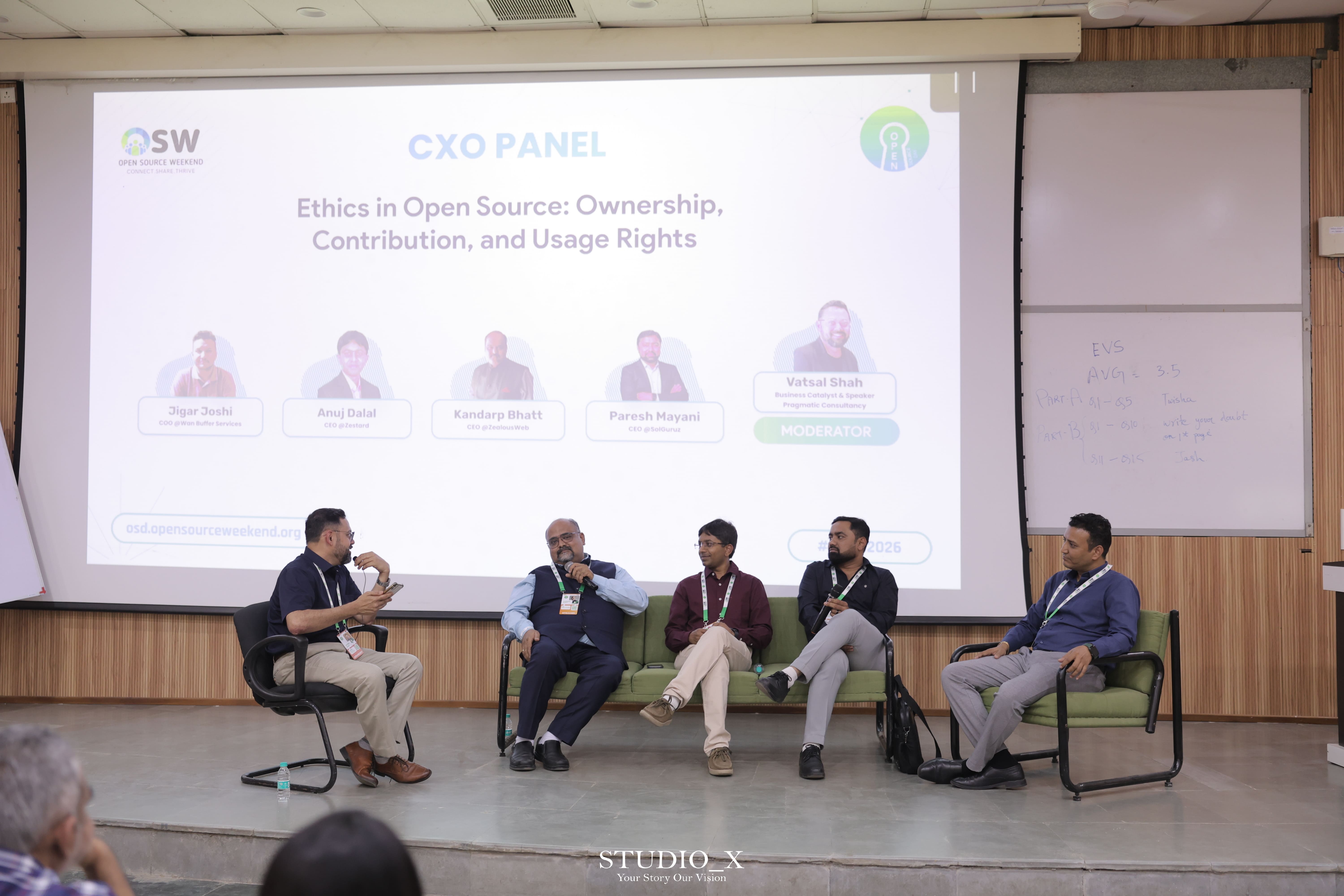
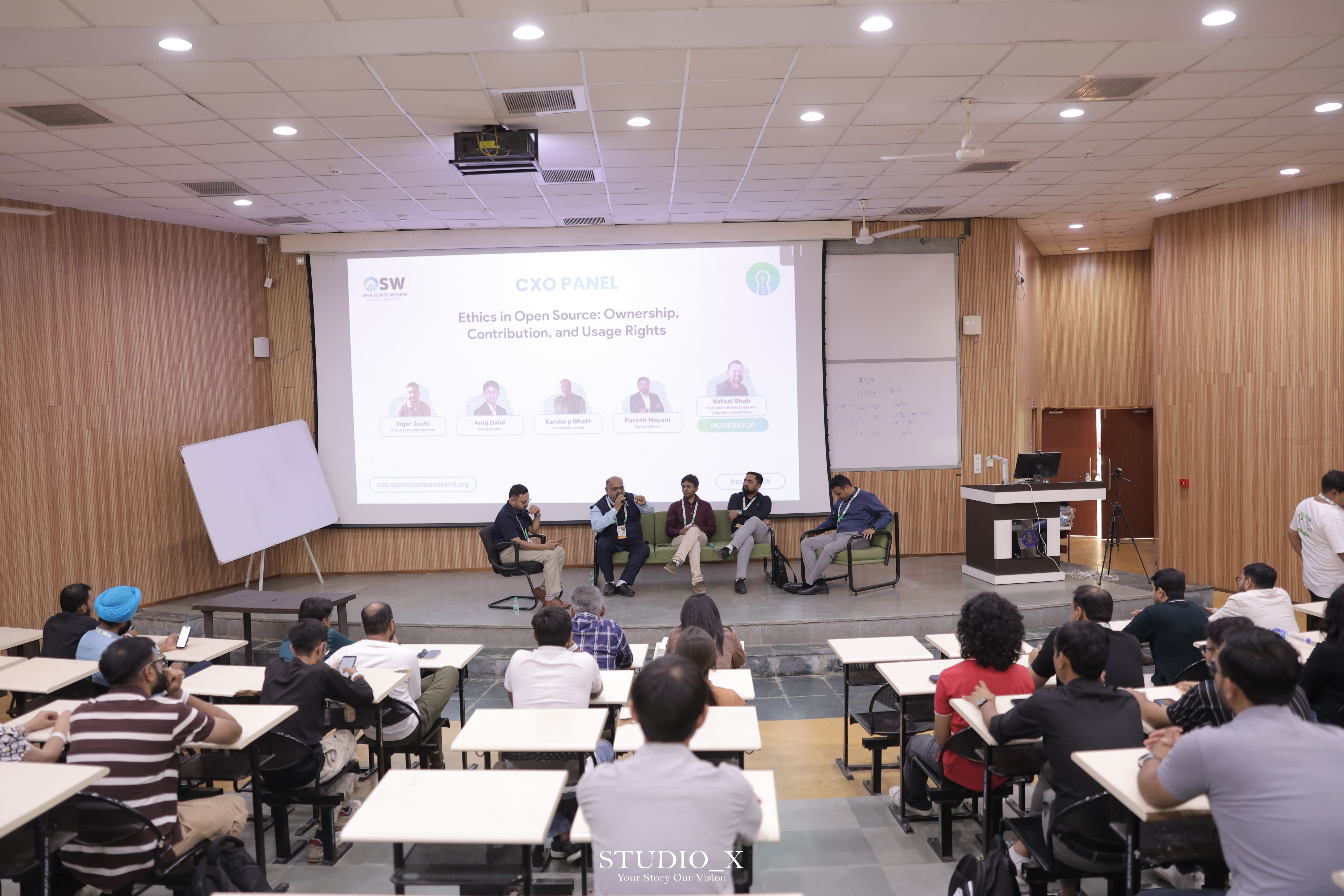
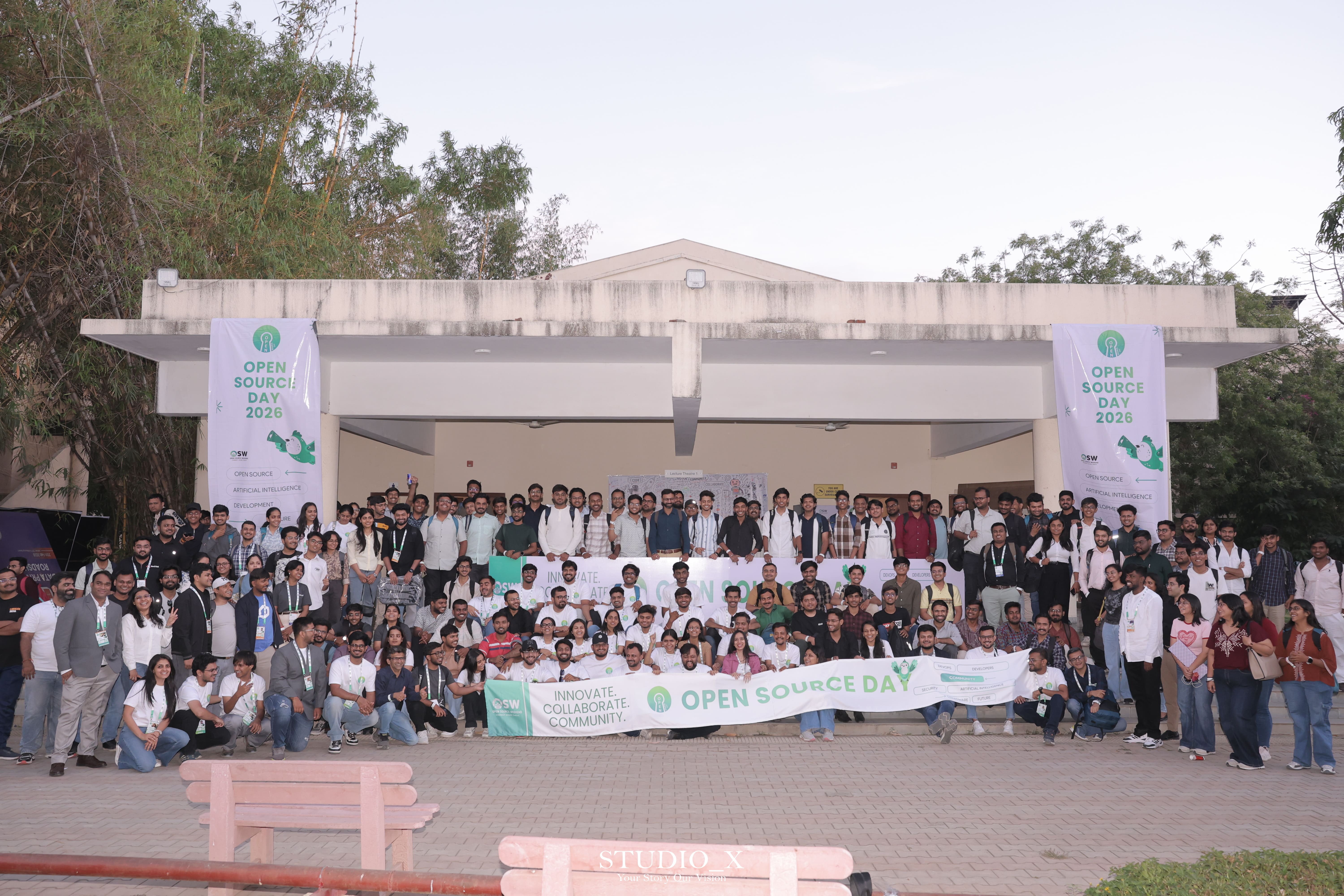
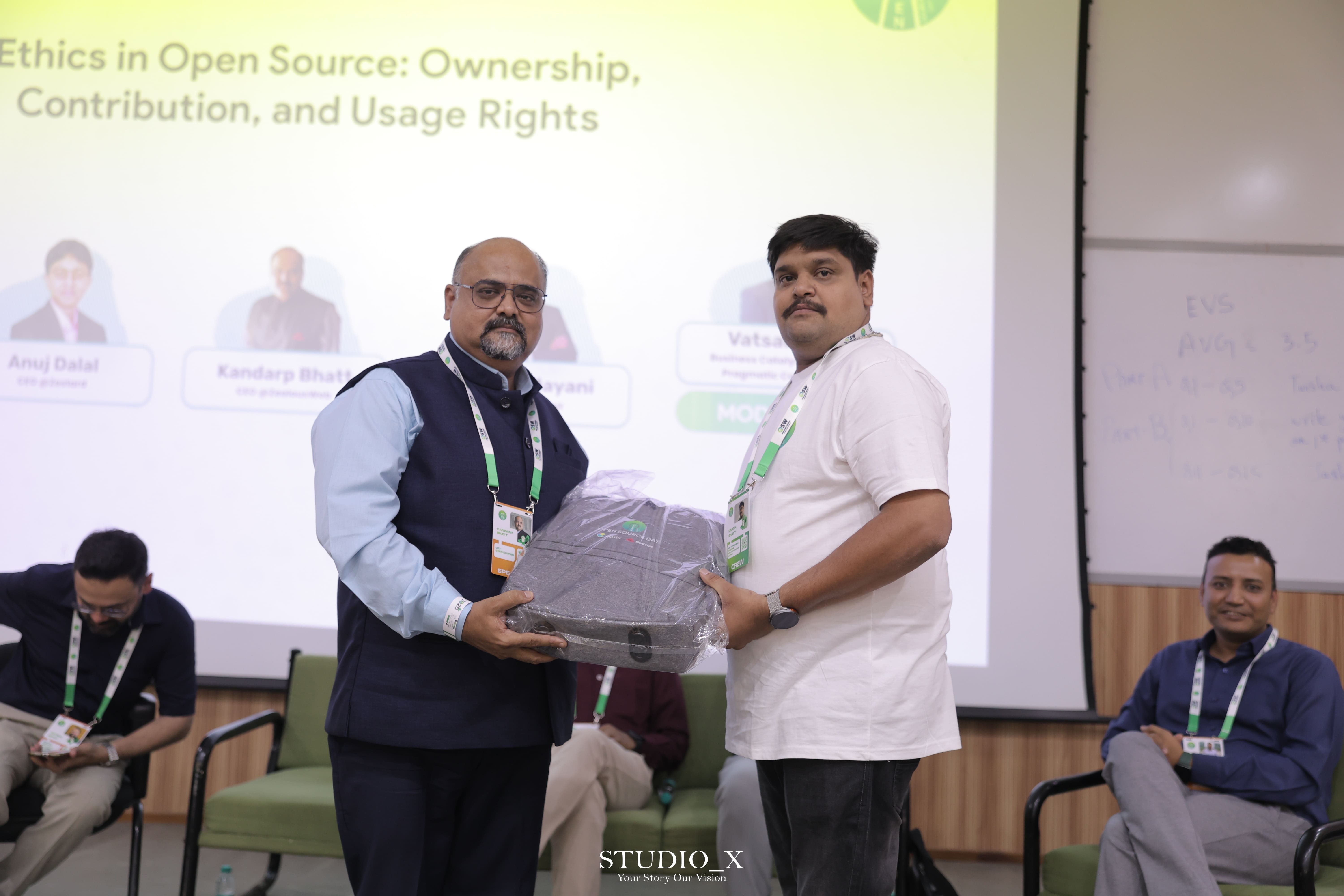
Kandarp Bhatt, Founder & CEO of ZealousWeb, was invited to participate as a distinguished panelist in a high-profile CXO discussion at Open Source Weekend 2026. The event, organized by Open Source Weekend, brought together leaders shaping the open-source ecosystem, focusing on ethical considerations around ownership, contribution, and usage rights. Through this engagement, Kandarp contributed to advancing strategic conversations on responsible open-source adoption in modern enterprise environments.

Panel Recap: The Unfiltered Ethics of Open Source
The CXO panel at Open Source Weekend 2026 wasn't just about legal slides; it was a deep dive into the "mthakoot" (real-world hassles) of building a business on shared code. Leaders from the industry gathered to discuss the fine line between being a smart businessman and an unethical extractor.
The Panelists
- Jigar Joshi – COO, Wan Buffer Services
- Anuj Dalal – CEO, Zestard
- Kandarp Bhatt – Founder & CEO, ZealousWeb
- Paresh Mayani – CEO, SolGuruz
- Moderator: Vatsal Shah – Business Catalyst & Speaker
The Hard Questions We Tackled
The discussion moved through several "grey areas" where technology meets morality. Here is how the panel broke down these dilemmas:
1. Is it "Smart Business" or "Unethical Extraction"?
When a company makes millions using open-source tools but gives nothing back, is that okay?
- The Perspective: Some argue it’s just business if the license allows it. However, the panel agreed that for an agency, community responsibility begins where proprietary customization ends. Rebranding open source as your own "secret innovation" without giving back is a breach of trust.
2. License Changes: Survival or Betrayal?
What happens when a project shifts its license to a paid model after the community helped build it?
- Kandarp’s Take: If the original creator didn’t clear the purpose at the beginning and then switches to a paid license once they are popular, it feels like betrayal, not survival. Transparency from day one is essential.
3. The "Bhakhari Pizza" of Licensing (MIT vs. GPL)
- Kandarp’s Take: You don't need to overcomplicate things. Whether it's GPL (the WordPress way) or MIT, the rule is simple: Follow the guidelines. Open source was meant so we don't have to "reinvent the wheel." Agencies should make money using it—that’s the point—but you must give credit where it’s due.
4. Security Crises: Who carries the blame?
If a free library creates a security hole in a client project, who is responsible? The volunteer maintainer or the agency?
- The Conclusion: Agencies act as the "gatekeepers." Since the client pays us, we carry the ethical responsibility to vet and support the digital infrastructure we sell.
5. Why help the competition?
How do you justify spending company money to fix a bug that helps your rivals too?
- Kandarp’s Take: Think of it as inheritance. The older generation brought open source to a usable state for us. If our generation doesn't contribute, what will the next generation inherit? Empty repositories? We must contribute to keep the forest alive for everyone.
6. AI and the "Culture of Copying"
With AI writing code, are we creating a world of "copying without responsibility"?
- The Concern: We are losing the habit of checking licenses. Agencies need to build a culture where developers respect attribution and community duty, not just the speed of delivery.
Kandarp’s Key Advice for Agency Owners
- Don’t just give hours, give dollars: When your agency is doing well and you are able to pay, you should financially support the maintainers. Contribution isn't just about man-hours; it’s about ensuring critical digital infrastructure is funded.
- Credit is the currency: Use open source to build great things and make a profit, but always credit the source. It builds your reputation as an honest leader.
- Inheritance Duty: We owe it to the developers of tomorrow to leave the codebases better than we found them.
The Bottom Line
Open Source isn't just about "free code." It's an ethical stewardship. As business leaders, our strategic decisions should align our innovation with our moral responsibilities. If we keep taking without replanting, the ecosystem fails. Transparent collaboration is the only way to ensure both enterprise value and community impact.
"You have a right to perform your duty, but not to the fruits of your actions."
— The spirit of the panel and the core of Open Source.